Justice and Accountability in Protecting The Republic
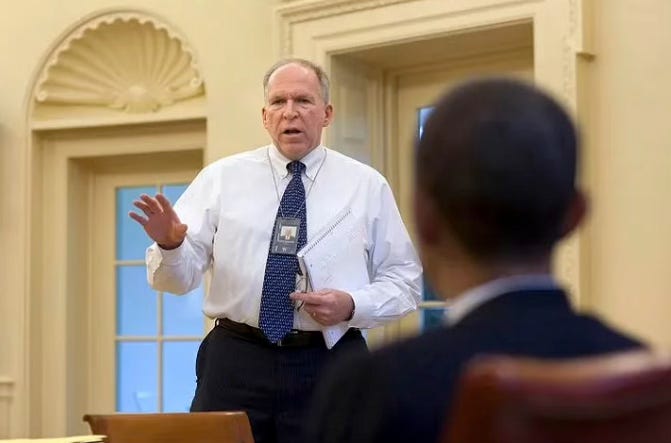
There’s been a lot of debate lately about whether former CIA Director John Brennan and former FBI Director James Comey should face a trial with a special prosecutor. The allegations stem from their roles in the Trump-Russia collusion story, and it’s raising big questions about justice and accountability in American democracy. Some people believe a fair trial could help bring clarity to what’s been a really divisive chapter in U.S. politics. Others aren’t so sure it’s necessary or worth the effort. To really understand this, we need to look at the history, legal precedents, and what we’ve learned from past investigations.
Here's my take on all of this!
Arguments Supporting a Special Prosecutor Trial
Supporters of a special prosecutor trial argue it’s crucial for transparency and rebuilding public trust. Without a fair, unbiased trial, questions about bias, influence, and misconduct will continue to chip away at confidence in the justice system. A trial like this isn’t just about the past—it’s about the future. It’s a chance to uncover the truth, hold people accountable, and set the standard for how high-stakes investigations should be handled. It’s about reminding everyone that no one is above the law. I firmly believe that a fair trial is essential, providing an opportunity for discovery and other legal processes to uncover the truth!
Accountability Matters
Throughout U.S. history, holding the government accountable has been a cornerstone of democracy. Allegations that Brennan and Comey misled investigations into Trump-Russia collusion—or even helped orchestrate an intelligence coup against President Trump—deserve a closer look. A special prosecutor trial could cut through the noise and uncover the facts, no matter where the truth lies.
We've seen this scenario unfold before—think back to the Watergate scandal. Special prosecutor Archibald Cox led an independent investigation that uncovered corruption at the highest levels of government. It only took White House counsel John Dean to break his silence, and soon others followed suit. A similar approach could be effective with figures like Brennan and Comey, shedding much-needed light on the situation and helping to restore trust in our institutions. The question is, who will step forward as that pivotal voice? Surely, many are ready to speak.
Why It’s Important
The case for a special prosecutor trial hinges on serious concerns about misconduct, like how the Trump dossier—later debunked in parts if not the whole—was used to launch an investigation into foreign interference. Critics claim key intelligence officials may have acted recklessly or even with malicious intent, abusing processes meant to protect national security. The public has a right to demand answers when those in power are accused of wrongdoing!
At the heart of this is a simple idea: everyone should be treated equally under the law. If regular citizens are investigated for far smaller offenses, then government officials accused of undermining national security must also be held to account. It’s about fairness, justice, and upholding democratic principles.
Legal Community Perspectives
The prospect of bringing Brennan and Comey to trial has elicited a range of opinions from respected figures in the legal world, often bridging partisan divides to reveal the complexity of this issue. As a conservative, I often turn to the liberal legal community to seek out respected lawyers and apply the "shoe on the other foot" principle—essentially considering how they view a particular legal case. I do this, in part, to identify and address my own blind spots while striving to maintain objectivity.
here's two respected liberal legal opinions:
Jonathan Turley
Constitutional law scholar Jonathan Turley has argued that oversight mechanisms are crucial in preventing abuse by those wielding governmental power. Turley has voiced concerns about the overreach of intelligence agencies, suggesting that violations of ethical norms or legal boundaries cannot go unchecked. However, he also warns against the political weaponization of investigations, emphasizing the importance of fairness and impartiality in any trial involving figures like Brennan and Comey.
Alan Dershowitz
Another well-known voice, Alan Dershowitz, has provided a nuanced perspective. While emphasizing the necessity of robust investigative standards, Dershowitz has been critical of selective justice, calling for consistent rules that apply to all political actors equally. His position reflects broader frustrations about how public trust erodes when legal actions are perceived as partisan-driven.
The contrasting views of Turley and Dershowitz underline a vital aspect of the debate: whether such a trial would reinforce the integrity of American governance or deepen existing political fractures.
Finally, haven't we been here before? Yes unfortunately!
The John Durham Investigation—Lost Purpose or Missed Opportunity?
The investigation helmed by John Durham sought to uncover the origins of the FBI’s inquiry into Trump-Russia connections. Initially hailed as a defining moment for justice, the results left many questioning its effectiveness. Why did a probe with such high stakes fail to deliver on expectations?
Scope and Strategy
Some critics believe the Durham investigation lacked clear focus. While it did lead to a few indictments—like FBI lawyer Kevin Clinesmith, who admitted to falsifying evidence—it didn’t tackle the bigger systemic issues in intelligence operations. That left a lot of people feeling like the deeper problems weren’t really addressed.
Political and Public Reaction
The investigation’s failure to deliver major revelations or hold more people accountable frustrated many, myself included. Some felt it came across as too political, leaving the public with questions instead of closure. Congressman Devin Nunes, who first raised concerns about intelligence mismanagement, expressed extreme disappointment, saying key questions about the Trump-Russia probe still haven’t been answered. For him, this undermines trust in the justice system. I'm with congressman Nunes on this! Deep disappointment!
What’s Next?
Now there’s debate over whether figures like Brennan and Comey should face a special prosecutor trial. It’s not just about holding two individuals accountable—it’s also about restoring faith in the country’s legal and intelligence systems.
Some argue a trial could finally shed light on possible abuses and show that no one is above the law. But others warn it might just deepen political divides without much payoff. If the Durham investigation taught us anything, it’s that getting real answers will require a much sharper, more transparent approach than what we’ve seen so far.
Where Do We Go From Here?
In the end, deciding whether to move forward with a special prosecutor trial comes down to weighing the pros and cons. Could it rebuild trust, strengthen democratic values, and prevent future misconduct? Or would it just turn into another political circus, dividing the country even more? These are the big questions we need to consider.
This case surpasses the magnitude of Watergate and even the Teapot Dome scandal. The Washington administrative state cannot be allowed to undermine a sitting President of the United States through false investigations built on unfounded premises. Accountability is essential. There must be a trial to determine whether laws were broken and, if so, the extent to which those crimes are punishable. In my opinion, laws were indeed violated, and those responsible must face appropriate consequences..
The American republic is strong, but it relies on all of us—citizens and especially its leaders—to stay vigilant. Whether it’s through a trial or other actions, staying transparent and holding people accountable is key to protecting the values this nation was built on!


